


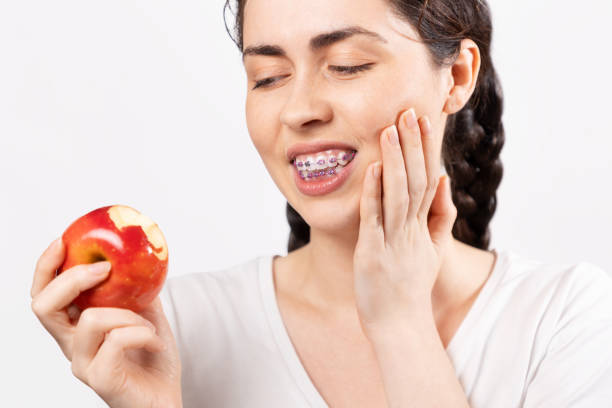
Finishing braces or clear aligners is a big milestone. After months of treatment, it feels great to finally see your straight teeth.
It’s normal, though, for your mouth to feel a little different at first. Your teeth may not come together the way you expect, or your jaw might feel slightly tight.
If you used Invisalign in Edmonton, you were used to wearing trays over your teeth most of the day. Once they’re removed, your bite can feel unusual for a short time. That’s okay. Your mouth just needs a little time to adjust to its new position.
Why Does My Bite Feel Different Now?
It is very common for your bite to feel “off” right after your treatment ends.
For months, your teeth had been pushed into new positions. Once that pressure stops, the fibers holding your teeth need time to relax and regain their firmness.
- Ligament Memory: The tiny “springs” holding your teeth were stretched out. They need a few weeks to settle down.
- The Settling Process: Teeth often shift just a tiny bit, less than a hair’s width, to find a comfortable spot against each other.
- Removing the Trays: If you wore aligners, you were used to a thin layer of plastic between your teeth. Without it, your teeth might feel like they are hitting each other too hard.
If this feeling doesn’t go away after a week, visiting a dentist near you for a quick check can make sure everything is lined up right.
What Causes Jaw Tension?
While your teeth moved, your jaw muscles also had to learn a new way to close. This can lead to jaw pain after Invisalign or braces because your muscles are essentially “working out” to stay in a new position.
Think of it like wearing a new pair of boots. Even if they are better for your feet, your legs might feel sore for a few days while you get used to them. Your chewing muscles are doing the same thing.
This muscle fatigue can cause a dull ache in your cheeks, especially in the morning or after eating something chewy.
Is it Normal for Discomfort to Last?
Most people feel better in a few days, but some may have bite discomfort months after their braces are removed. This usually happens if the teeth try to move back toward where they used to be.
Common Feelings After Braces
| What You Feel | Why It Happens |
| High Spots | One tooth touches before all the others do. |
| Tired Cheeks | Your muscles are clenching to adjust to the new bite. |
| Clicking Jaw | Your jaw joint is moving into a new spot when you open wide. |
| Crowding | Teeth look a bit crooked because the retainer wasn’t worn. |
If you feel these things, a quick visit to an Edmonton dental clinic is a smart move. A dentist can check if your retainer needs a small fix or if your teeth need a tiny adjustment to feel more comfortable.
How to Care for Your New Smile
To make sure your bite stays comfortable and your teeth stay straight, follow these simple rules:
- Wear Your Retainer: This is the no:1 rule! Your teeth are most likely to move in the first few months.
- Eat Soft Foods First: Give your jaw a break by avoiding very crunchy snacks for the first week.
- Watch Your Bite: Pay attention to how your teeth touch. If you keep biting your tongue or cheek, tell your dentist.
- Relax Your Jaw: If your face feels tight, use a warm cloth on your cheeks to help the muscles relax.
- Keep Things Clean: Wash your retainer daily to keep it fresh and prevent irritation.
Enjoy Your New, Healthy Smile
Moving from braces to your final smile takes patience. It can be annoying to feel some discomfort after the hard part is over, but your body is just finishing the job of stabilizing your teeth.
By wearing your retainer and talking to your dental team, you can ensure your smile feels as good as it looks.
At Avalon Dental, we want to make sure your results stay perfect. Our team is here to help you through the “settling” phase so you can enjoy your new smile for life. Give us a call if you have any questions.
Frequently Asked Questions
Is it normal for my teeth to feel wiggly?
Yes, your teeth might feel a little loose for a few weeks while the bone around them gets hard again.
Why does my jaw click when I eat?
Your jaw is just finding a new way to close; if it doesn’t hurt, it is usually fine, but ask your dentist to be sure.
Can a retainer fix a weird bite?
Yes, sometimes adjusting your retainer can help nudge your teeth into a spot that feels much better.
How long does the “foreign” feeling last?
For most people, the strange feeling goes away in about 7 to 10 days as your brain gets used to the change.